Insights & Resources
Your Project Management Knowledge Hub
Practical insights, professional development resources, tools, guidance and expert perspectives designed to support you at every stage of your journey.
AI & Emerging Technology in Project Management
Understanding Technology. Transforming the Way We Work.
Artificial intelligence and emerging technologies are changing how projects are planned, managed and delivered. These developments offer opportunities to improve productivity, support decision-making and reduce time spent on repetitive administrative tasks.
AI should support professional judgement, not replace it. Project managers remain responsible for validating information, making decisions and ensuring that technology is used appropriately.

How AI Is Changing Project Management
Project Leadership & Accountability
Leading with Confidence. Delivering with Accountability.
Successful project management requires more than coordinating activities and monitoring deadlines. It involves providing direction, establishing accountability, making decisions and ensuring that people understand their responsibilities.

Leadership vs Management in Projects
Project management focuses on planning, organising, coordinating and controlling project activities. Project leadership focuses on providing direction, influencing people, building commitment and motivating teams towards shared objectives. Both are essential. A project manager must be able to manage the work while also leading the people responsible for delivering it.
Project Governance and Oversight
Project governance establishes the structures, responsibilities, decision-making processes and controls that guide a project. It ensures that appropriate oversight is in place, decisions are made at the right level, risks are escalated and progress remains aligned with organisational objectives.
Roles, Responsibilities and Accountability
Clear responsibilities help everyone understand what they are expected to deliver, who makes decisions and who is accountable for outcomes. This reduces confusion, improves ownership and strengthens collaboration across project teams.
Project Delivery & Organisational Impact
Beyond Project Completion. Delivering Meaningful Outcomes.
Completing a project does not automatically mean it has been successful. Effective project delivery involves achieving the intended objectives, meeting stakeholder expectations and ensuring that the outputs create meaningful value for the organisation.
Why Projects Fail and How to Improve Delivery
Projects can fail for several reasons, including unclear objectives, poor planning, inadequate governance, weak stakeholder engagement, unrealistic budgets and ineffective risk management.
Improving project delivery requires:
Organisations that establish strong project management practices are better positioned to manage complexity, improve delivery performance and achieve strategic objectives.
Certifications & Career Development
Build Your Knowledge. Strengthen Your Career.
Professional development involves continuously building the knowledge, skills and experience needed to grow within the project management profession. Certifications can provide structured learning and demonstrate an understanding of recognised project management approaches.
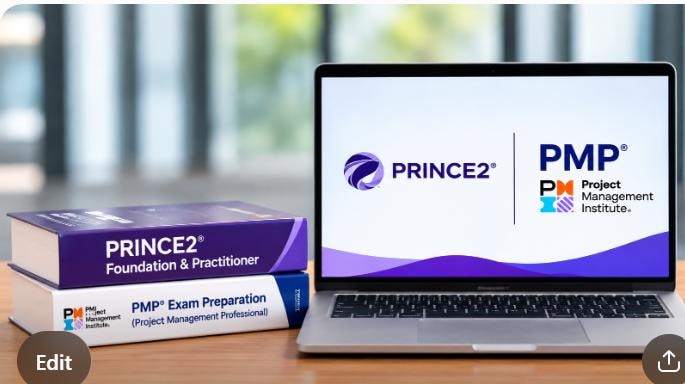
Understanding PRINCE2 Foundation and Practitioner
PRINCE2 is a structured project management method that provides guidance on how to organise, manage and control projects.
PRINCE2 Foundation
Introduces the principles, practices, processes and terminology of the PRINCE2 method. It helps candidates understand how the method works and its key concepts.
PRINCE2 Practitioner
Focuses on applying and tailoring the PRINCE2 method to different project environments. It develops the ability to use the method in practical project situations.
Why Project Management Certifications Matter
Professional certifications can help individuals build structured knowledge, demonstrate commitment to professional development and strengthen their understanding of project management practices. However, certification works best when combined with practical experience, ongoing learning and the ability to apply knowledge in real project environments.
Employers vs Job Seekers
Understanding What Employers Look For. Communicating Your Value.
Securing the right opportunity involves more than having the required qualifications or submitting applications. Employers look for candidates who can demonstrate the knowledge, skills, experience and professional qualities needed to contribute to their organisation. Equally, job seekers need to understand what employers value and how to communicate their strengths effectively.
What Employers Look For
- Relevant knowledge, qualifications and experience.
- Technical and transferable skills.
- Problem-solving and decision-making abilities.
- Communication, teamwork and interpersonal skills.
- Adaptability, initiative and willingness to learn.
- The ability to demonstrate results and make a positive contribution.
How to Communicate Your Value
- Understand the role: Identify the employer's requirements, priorities and expectations.
- Highlight your strengths: Demonstrate the knowledge, skills and experience that make you suitable.
- Showcase your achievements: Focus on contributions, results and measurable impact rather than simply listing responsibilities.
- Demonstrate transferable skills: Explain how your experience can add value, even when transitioning between roles, industries or professions.
- Position yourself professionally: Use your CV, LinkedIn profile, applications and interview responses to communicate your value consistently.
- Build confidence: Articulate what you bring to the organisation and why you are a strong candidate.
The Takeaway
Employers are not simply looking for people who can perform tasks; they want individuals who can contribute, solve problems, adapt and create value. Understanding these expectations and communicating your capabilities clearly can help you stand out, strengthen your professional positioning and approach new opportunities with confidence.